June 13,2026
The 18th Straits Forum·Health and Sub-Forum
Special Symposium on the Development of Hydrogen-Oxygen Medicine
Xiamen,China
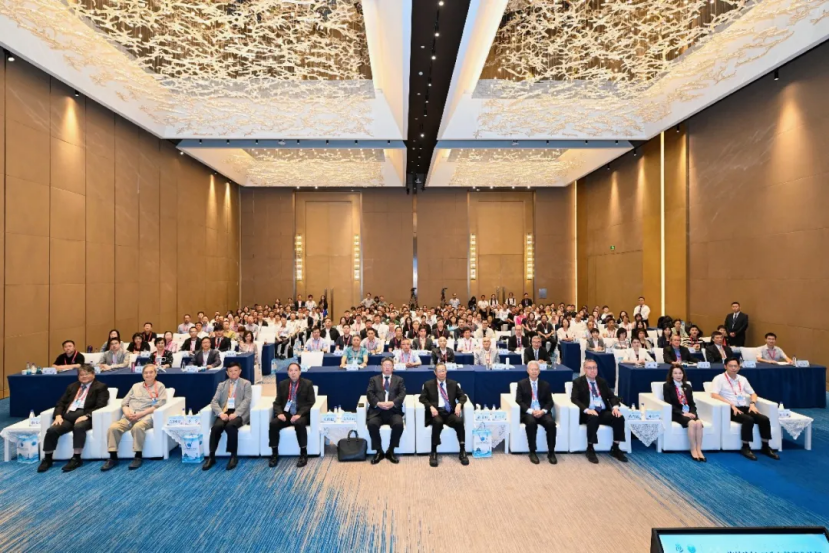
Group Photo of the Symposium
Academician Zhong Nanshan attended the event in person.
Over 100 medical experts from both sides of the Taiwan Strait,as well as Hong Kong,and Macao,gathered together to witness a milestone in the field.
The Group Standard“General Specifications for the Clinical Application of Hydrogen-Oxygen mixture inhalation therapy”was officially released.
The publication of this standard
fills a critical gap in the regulatory framework for hydrogen-oxygen medicine
and marks the field’s transition into a new phase of standardized development.
01
Milestone:Joint Development by Over 20 Authoritative Institutions
At the Hydrogen-Oxygen Medicine Development Symposium,a milestone achievement for the industry was formally unveiled.
On behalf of the drafting expert committee,Professor Guan Weijie,Deputy Director of the National Clinical Research Center for Respiratory Diseases,officially released the Group Standard“General Specifications for the Clinical Application of Hydrogen-Oxygen mixture inhalation therapy”which was proposed by the Respiratory Disease Professional Committee of the Chinese Research Hospital Association.
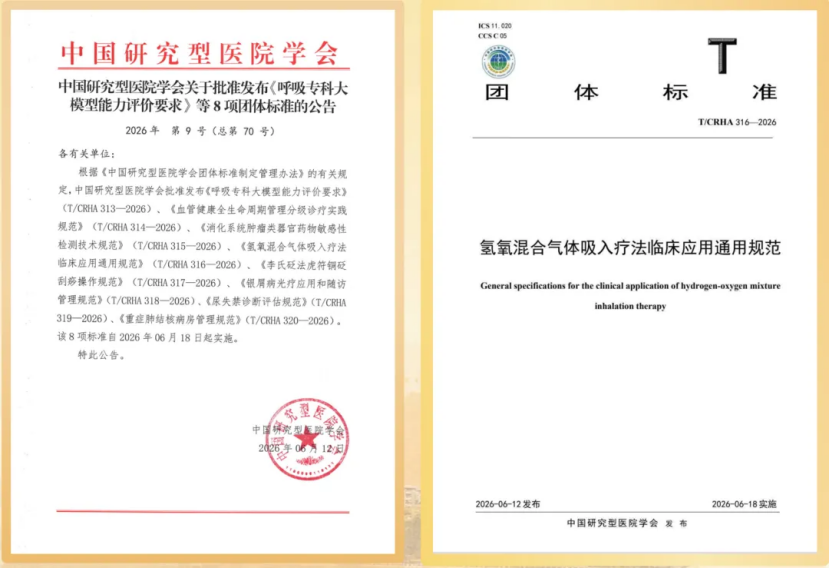
General Specifications for the Clinical Application of Hydrogen-Oxygen Mixture Inhalation Therapy
The standard was jointly initiated and drafted by:
The First Affiliated Hospital of Guangzhou Medical University(National Respiratory Medicine Center),Peking Union Medical College Hospital,and Shanghai Asclepius Meditec Co.,Ltd.
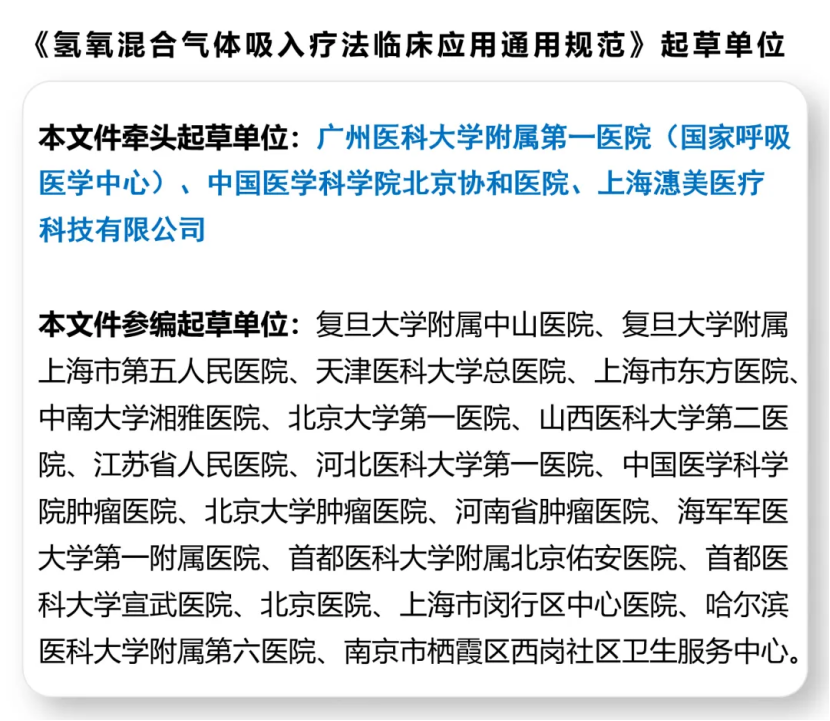
Drafting units of the standard
More than 20 nationally recognized Grade-A tertiary hospitals and medical institutions participated in the development.Leading experts from multiple disciplines served as principal drafters,ensuring a comprehensive and standardized framework for the clinical application of hydrogen-oxygen mixed gas inhalation therapy.
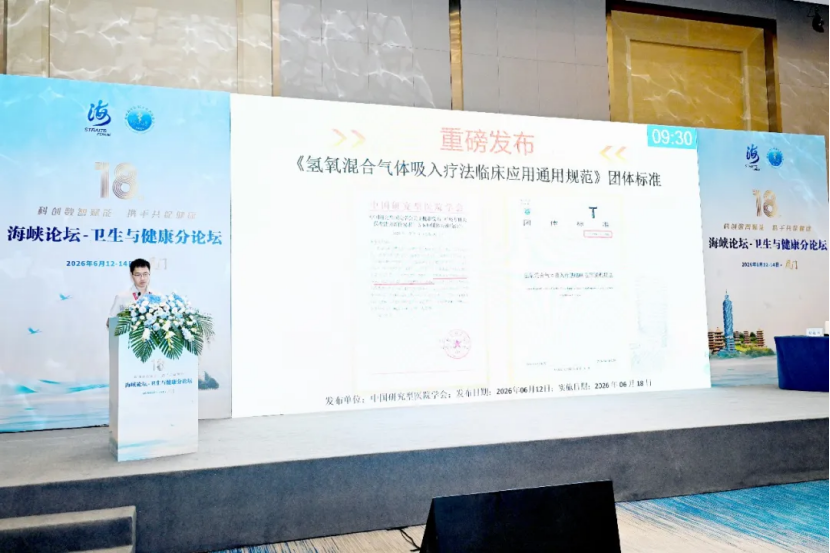
Official Release of the Industry Standard
At the symposium,Professor Guan Weijie delivered a presentation interpreting the core content of the group standard to all attendees.The standard systematically defines key elements including indications,clinical procedures,safety monitoring,and quality control requirements for hydrogen-oxygen mixed gas inhalation therapy.It provides an authoritative reference for medical institutions at all levels to implement hydrogen-oxygen therapy in a safe,standardized,and evidence-based manner.
Academician Zhong Nanshan commented that future clinical applications should follow the newly released pecification,accelerate the formulation of clinical guidelines,and plans were made to establish subspecialties in hydrogen‑oxygen therapy in China to conduct long‑term observations for different diseases.He emphasized the need to continuously strengthen cross‑strait academic cooperation,maintain China’s international leadership in hydrogen‑oxygen medicine,and advance a chronic disease prevention and management model centered on health,early detection,and early intervention.
02
An Academic Feast:Exploring the Value of Hydrogen‑Oxygen Medicine
During the academic seminar session,experts adhered to the principle of“evidence‑based guidance,cross‑strait collaboration,and standardized first steps”.The sessions progressed from basic principles,respiratory disease applications,and chronic/critical care expansion to young researchers’innovative work,comprehensively presenting the current research achievements and clinical value of hydrogen‑oxygen medicine.
In his concluding remarks,Academician Zhong Nanshan affirmed the academic achievements of the symposium and outlined future directions for the field.He noted that the presentations demonstrated high scientific rigor and exceeded expectations in overall quality.He also recommended increasing interactive discussion sessions in future conferences to further enhance academic exchange and collaboration among researchers.
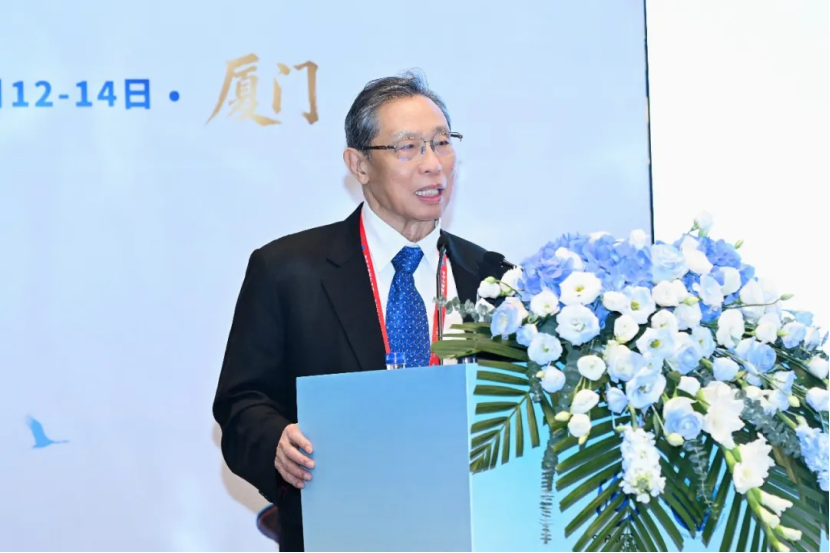
Closing Remarks by Academician Zhong Nanshan
Regarding application areas,Academician Zhong proposed three phases:acute intervention,clinical treatment,and chronic disease management,with long‑term management of chronic diseases being the current priority.Future research should continue to focus on aging-related conditions,cardiovascular and cerebrovascular diseases,and oxidative injury of the central nervous system.
Furthermore,he stressed the importance of leveraging the Guangzhou National Laboratory platform to facilitate multi‑center clinical trial collaboration and accelerate the translation of scientific research.In clinical practice,device safety remains the foremost principle,and strict adherence to technical standards is essential to ensure patient safety.
I.Cross-Strait Frontiers in Basic Mechanisms of Hydrogen-Oxygen MedicineThis session focused on the mechanisms and basic research of hydrogen‑oxygen medicine.Three leading experts presented complementary perspectives,establishing a strong theoretical foundation for subsequent clinical discussions.
北京医师协会常务副会长、首都医科大学附属北京佑安医院原院长李宁教授,在《氢氧医学基础研究与临床实践发展前沿》的分享中,系统梳理了氢氧医学从萌芽到蓬勃发展的完整历程,目前全球论文突破3000篇、中国占据90%以上研究份额。客观呈现了从基础研究到转化应用的关键进展,尤其对前沿突破的系统总括,为后续研讨奠定了坚实框架。
Professor Li Ning,Executive Vice President of the Beijing Medical Association and former President of Beijing You’an Hospital,Capital Medical University,presented“Frontiers in Basic Research and Clinical Practice of Hydrogen‑Oxygen Medicine.”He systematically reviewed the developmental trajectory of hydrogen-oxygen medicine,from its early-stage exploration to its current rapid expansion.According to his report,more than 3,000 scientific papers have been published globally,with China accounting for over 90%of total research output.
He highlighted key milestones in both basic science and translational research,providing a structured overview of the field’s major advancements and establishing a conceptual framework for further academic discussion.
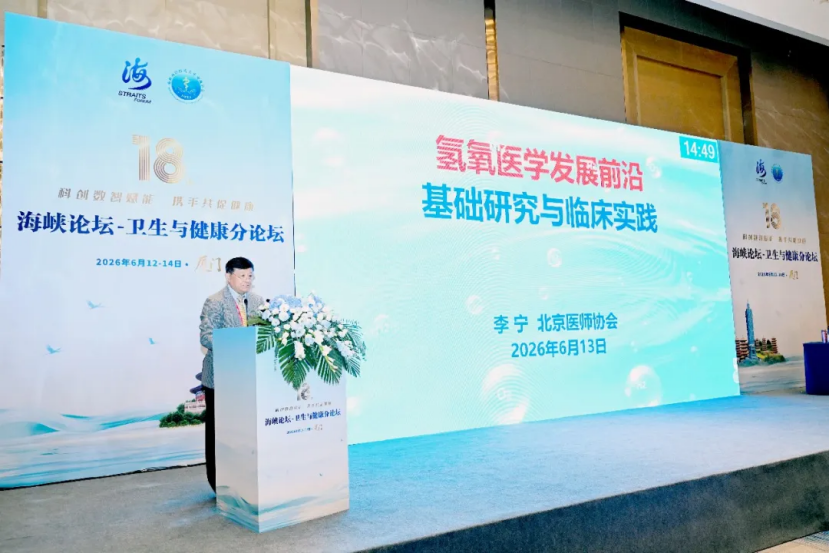
Presentation by Prof.Li Ning
Following that,Professor Chen Yumin,President of the Taiwan Society of Pulmonary and Critical Care Medicine and Secretary‑General of the Asia Pacific Society of Respirology,delivered“From Lung Cancer to Lung Injury:Clinical Applications and Mechanistic Exploration of Hydrogen‑Oxygen Medicine in Thoracic Diseases.”He systematically integrated multiple cutting‑edge research findings in thoracic diseases,covering everything from sepsis‑induced lung injury to immune‑synergistic treatment of lung cancer,fully demonstrating the academic progress in this field.
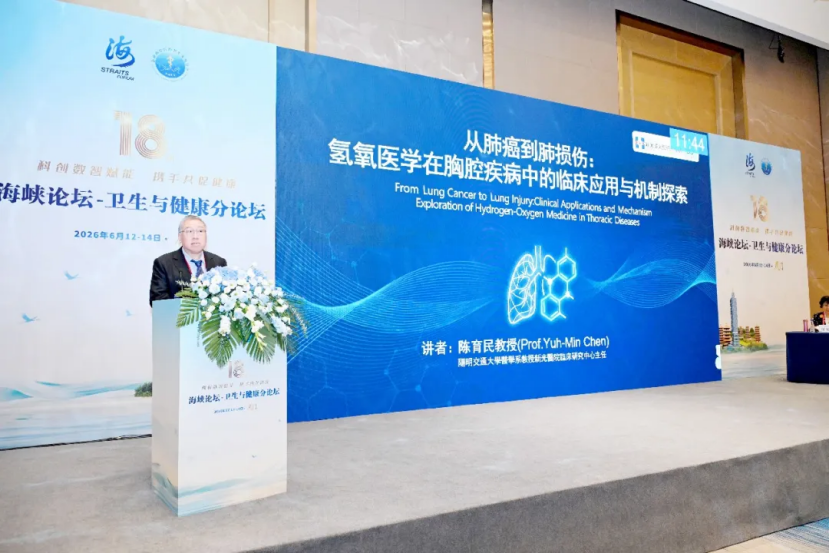
Presentation by Prof.Chen Yumin
Professor Wei Youzhen,former Director of the Translational Medicine Technology Center at Shanghai East Hospital,presented:“Experimental Studies on Hydrogen Molecular Inhibition of Inflammation.”He investigated the anti-inflammatory mechanisms of hydrogen at the molecular level.
Using an LPS-induced inflammation model,he demonstrated that hydrogen exerts protective effects by scavenging reactive oxygen species(ROS),regulating hypoxia-inducible factors(HIF-related pathways)and modulating upstream inflammatory signaling cascades.These mechanisms collectively inhibit the downstream release of chemokines and cytokines,providing experimental evidence for hydrogen’s anti-inflammatory properties.
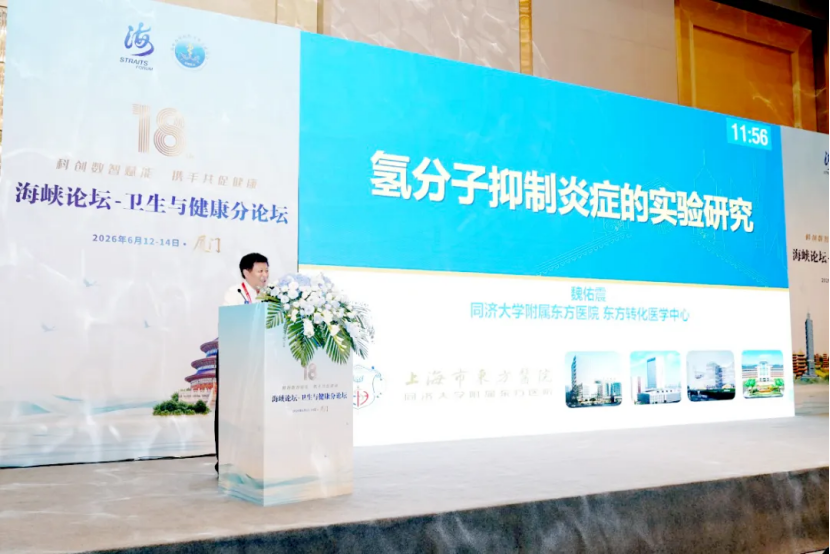
Presentation by Prof.Wei Youzhen
II.Clinical Research and Standardized Application in Respiratory DiseasesMoving from basic mechanisms to clinical validation,three experts in this session presented solid evidence‑based data demonstrating the value of hydrogen‑oxygen medicine in respiratory diseases.
Professor Guan Weijie,Deputy Director of the National Clinical Research Center for Respiratory Diseases,presented“Clinical Research and Application Progress of Hydrogen‑Oxygen Medicine in Respiratory Diseases.”Using rigorous clinical research data,he showed significant efficacy of hydrogen‑oxygen gas in three major areas:COPD,COVID‑19,and airway stenosis.In particular,a multi-center randomized controlled trial(RCT)confirmed that hydrogen-oxygen inhalation therapy was superior to oxygen therapy alone in improving symptoms in acute exacerbations of COPD(AECOPD).
These findings provide high-quality evidence supporting its role as an adjunctive therapy in respiratory disease management.
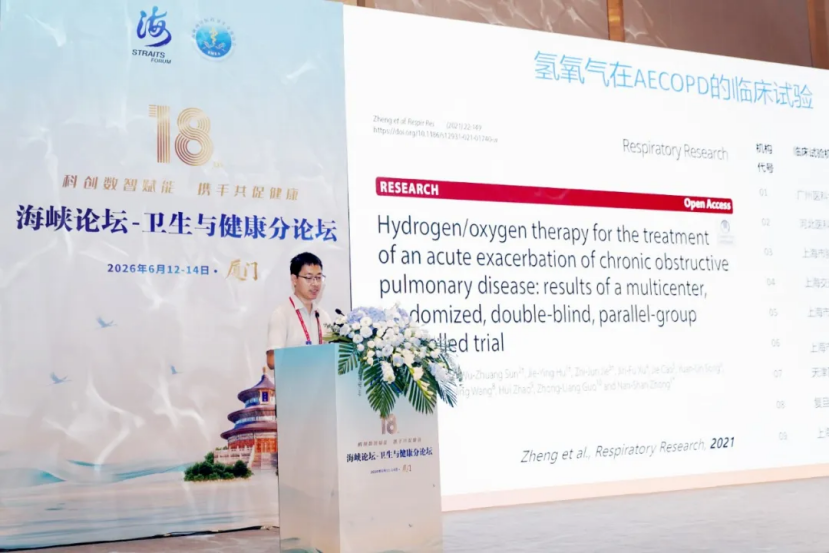
Presentation by Prof.Guan Weijie
Dr.Wang Binghuai,Deputy Director of the Department of Internal Medicine at Far Eastern Memorial Hospital(Taiwan),presented:“Exploration of Clinical Applications of Hydrogen‑Oxygen Medicine in Respiratory Diseases and Current Development in Taiwan.”Taking into account Taiwan’s subtropical climate and regional air pollution characteristics,he analyzed the synergistic effects of PM2.5 exposure and temperature variations on acute exacerbations of respiratory diseases.
Based on these findings,he proposed potential clinical pathways for hydrogen-oxygen adjuvant therapy,highlighting its relevance in region-specific respiratory disease management strategies.
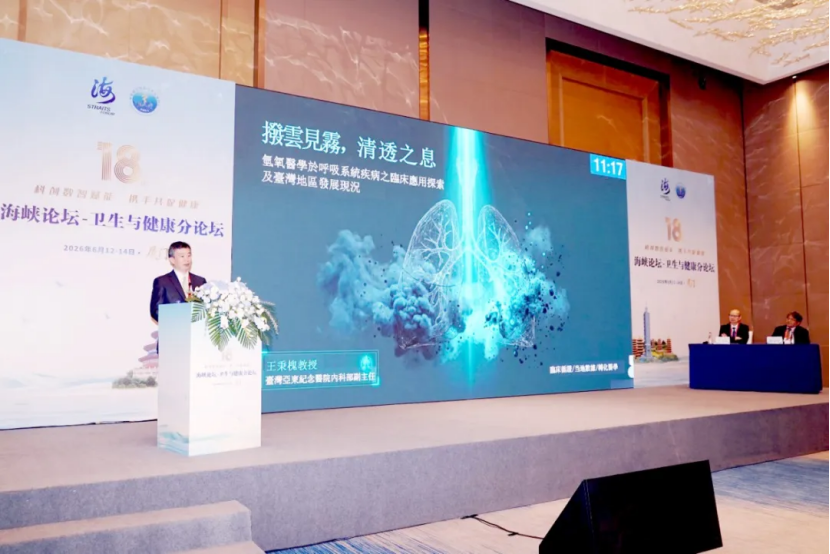
Presentation by Dr.Wang Binghuai
Professor Wang Hongwu,Director of the Respiratory Center at Dongzhimen Hospital,Beijing University of Chinese Medicine,presented“Clinical Application and Individualized Strategies of Hydrogen‑Oxygen Mixture in Inhalation and Complex Pulmonary Diseases.”He proposed a full‑process adjuvant strategy of hydrogen‑oxygen therapy:pre‑intervention,during‑intervention,and post‑intervention.Emphasizing hydrogen’s synergistic value in reducing airway hyperreactivity,alleviating ischemia‑reperfusion injury,and suppressing postoperative inflammation and fibrosis,opening new avenues for individualized clinical treatment.
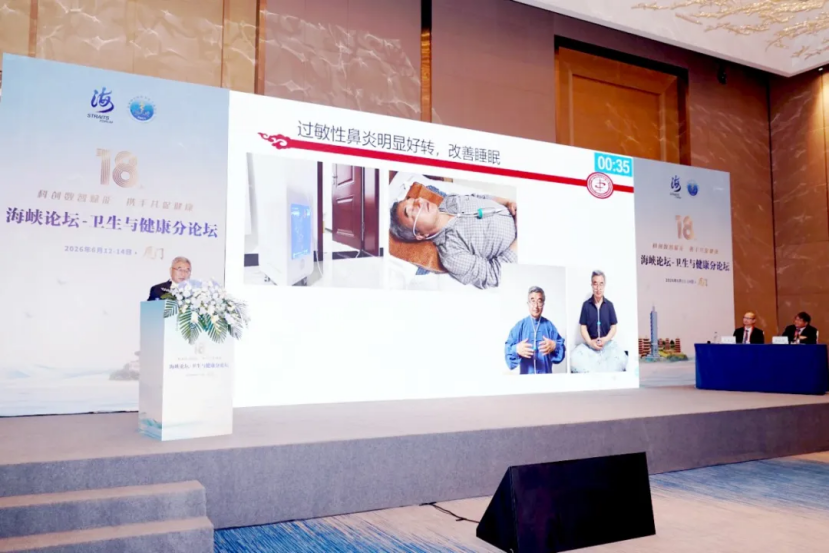
Presentation by Prof.Wang Hongwu
III.Chronic Disease Management,Compliance,and Oncological Supportive CareThis session focused on geriatric management,regulatory compliance,and oncological supportive care,reflecting the expanding clinical scope of hydrogen-oxygen medicine.
Professor Cheng Youqin,former Deputy Director of the Department of Cardiovascular Medicine(South Building)at the PLA General Hospital,presented“Potential Applications and Future Prospects of Hydrogen-Oxygen Medicine in Geriatric Chronic Disease Management.”From the standpoint of geriatrics and chronic care,she systematically elucidated hydrogen’s multiple biological effects,including scavenging toxic free radicals,activating endogenous antioxidant enzymes,regulating mitochondrial homeostasis,and modulating anti‑inflammatory immune responses.Based on extensive clinical and experimental evidence,she proposed potential pathways for hydrogen-oxygen medicine to contribute to both“healthy aging”and“advanced healthy aging”models.
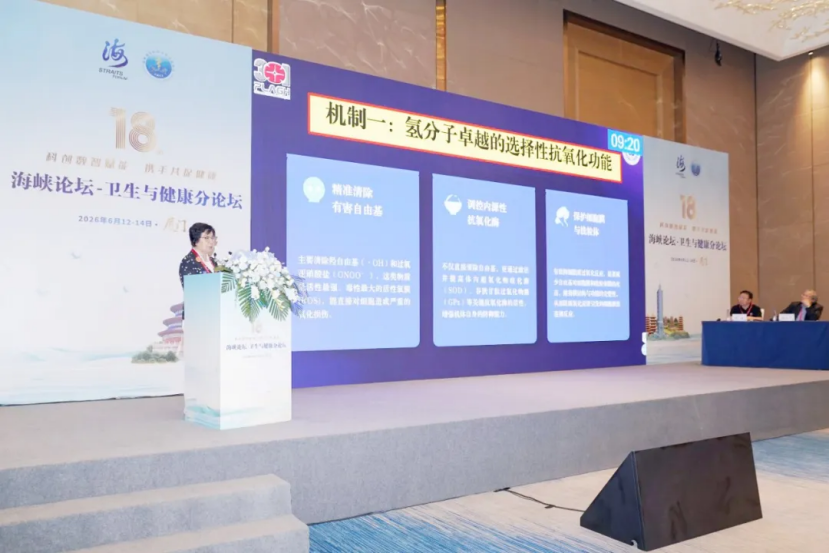
Presentation by Prof.Cheng Youqin
Dr.Chen Weilin,Ph.D.in Electrical Engineering from National Taiwan University,international practicing attorney,and patent attorney,focused on a critical prerequisite for industry standardization and delivered“Regulatory Pathways for the Clinical Translation of Hydrogen-Oxygen Medicine.”
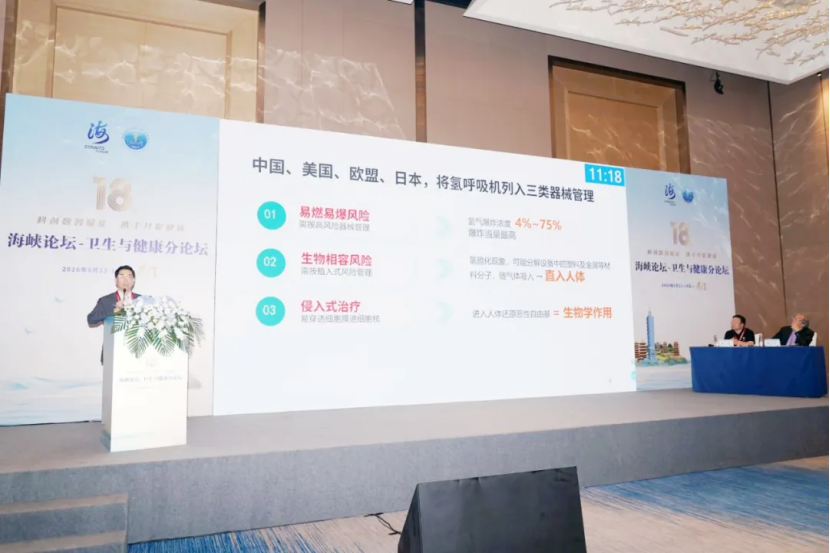
Presentation by Dr.Chen Weilin
He emphasized that industrial hydrogen production and medical hydrogen systems differ fundamentally in regulatory design and safety requirements.Hydrogen inhalation devices are classified as Class III high‑risk medical devices in multiple regulatory jurisdictions,including China,the U.S.FDA,the EU,and Japan,due to three major safety hazards:flammability/explosiveness,material leaching,and invasive treatment.
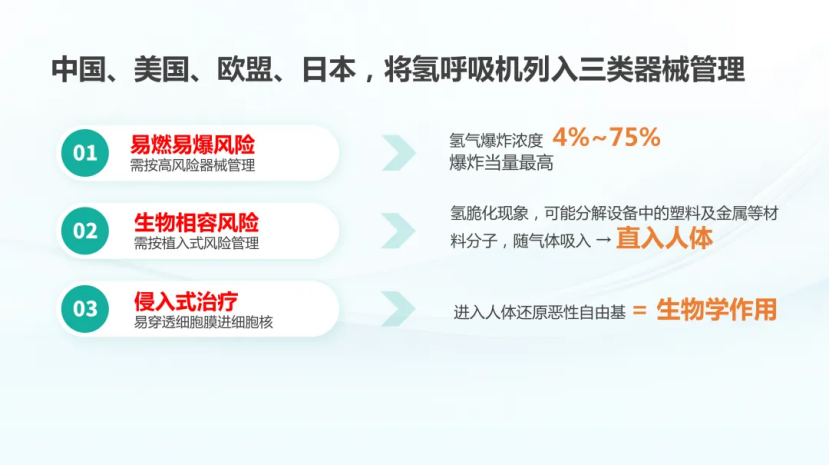
Presentation by Dr.Chen Weilin(Regulatory&Legal Perspective)
He further analyzed that the two current mainstream water electrolysis technologies,liquid-conductive electrolysis systems and solid-polymer(proton exchange membrane)electrolysis systems,both approaches present distinct technical limitations.
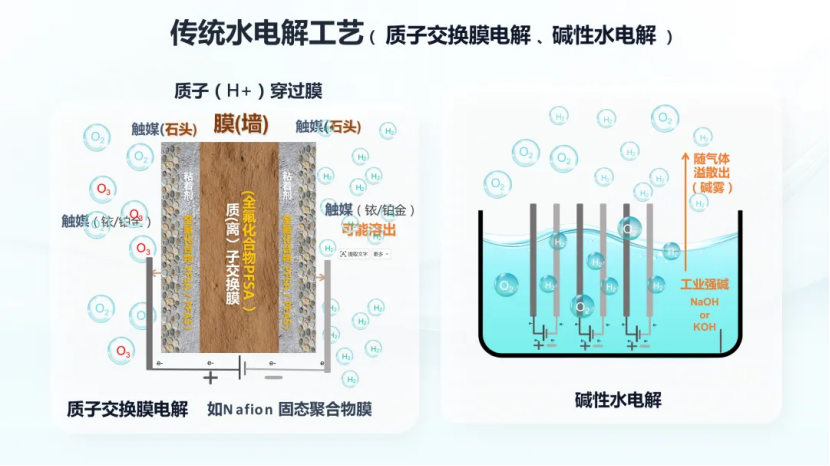
Presentation by Dr.Chen Weilin
Liquid‑conductive system processes use industrial strong alkalis that can be inhaled into the airways,causing respiratory tract burns;devices also tend to overheat and cannot run continuously.
Solid-polymer systems utilize proton exchange membranes,which may involve fluoropolymer-based materials,which are permanent chemicals that are difficult to degrade;long‑term exposure may cause human toxicity,increase cancer risk,and affect DNA/genetic inheritance—the EU has already introduced PFAS restriction regulations.
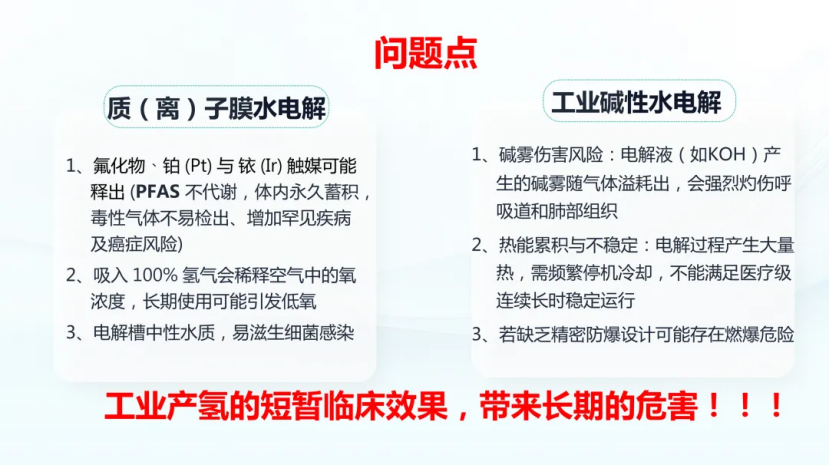
Presentation by Dr.Chen Weilin
Professor Deng Lei from the Cancer Hospital of the Chinese Academy of Medical Sciences presented“Hydrogen-Oxygen Adjunctive Therapy in Radiotherapy:Mechanisms and Clinical Perspectives for Reducing Adverse Effects.”He noted that radiotherapy,while effective in tumor control,generates reactive oxygen species that may cause collateral damage to normal tissues,including DNA,proteins,and lipids,potentially leading to inflammation and fibrosis.
Hydrogen is hypothesized to selectively neutralize excessive reactive oxygen species in non-tumor tissues,thereby potentially mitigating upstream oxidative injury and interrupting downstream inflammatory cascades.
This provides a mechanistic basis for further exploration of hydrogen as an adjunct in radiotherapy-related supportive care.
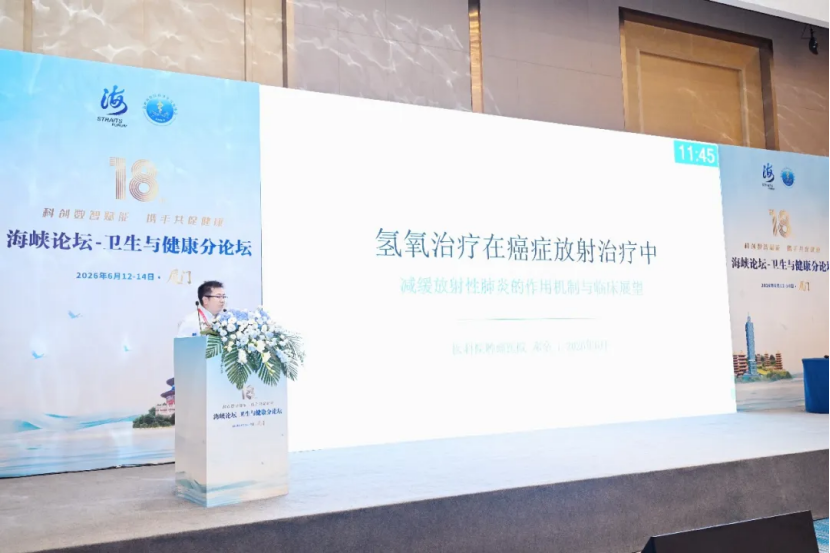
Presentation by Prof.Deng Lei
IV.Young Clinicians’Academic SessionThis session highlighted emerging research directions led by early-career investigators.Young scholars play a critical role in advancing the future development of the field.
Associate Researcher Wang Xin from the Institute of Biophysics,Chinese Academy of Sciences,presented“Basic Research Hypotheses and Scientific Questions on Hydrogen-Oxygen Intervention in HBV-Related Liver Disease.”Focusing on hepatitis B virus‑associated liver disease,she proposed innovative hypotheses on whether hydrogen,through antioxidative effects,reduces DNA damage and thereby lowers the risk of viral integration,providing new ideas for expanding hydrogen‑oxygen medicine into chronic infections and oncology.
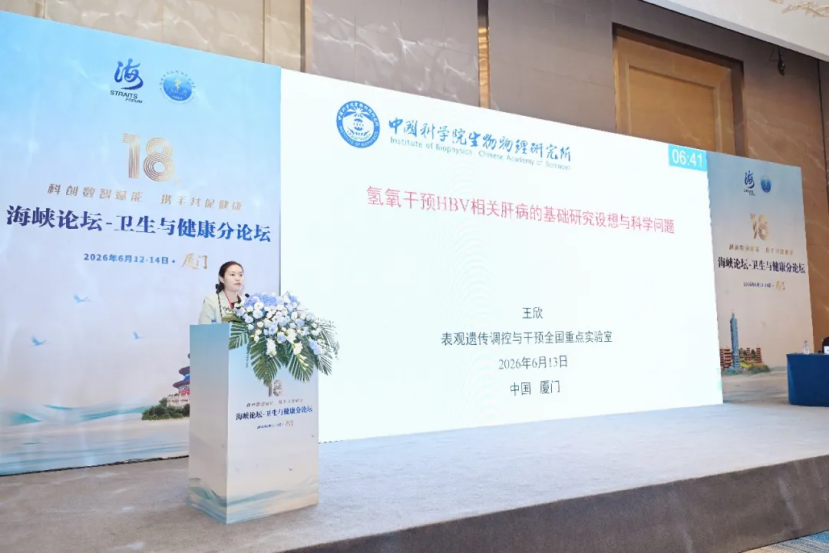
Presentation by Dr.Wang Xin
Dr.Song Yu from the Department of Critical Care Medicine,Tianjin Medical University General Hospital,presented“Mechanistic Studies on Hydrogen‑Oxygen Medicine in Acute Critical Illness.”As a core member of Professor Xie Keliang’s research team,he focused on sepsis-induced multi-organ injury.Based on the concept of“selective antioxidant therapy,”the team conducted a series of translational studies covering septic encephalopathy,myocardial dysfunction,pulmonary injury and renal and gastrointestinal injury.
Their findings suggest that hydrogen may exert multi-organ protective effects through modulation of oxidative stress and inflammatory signaling pathways.
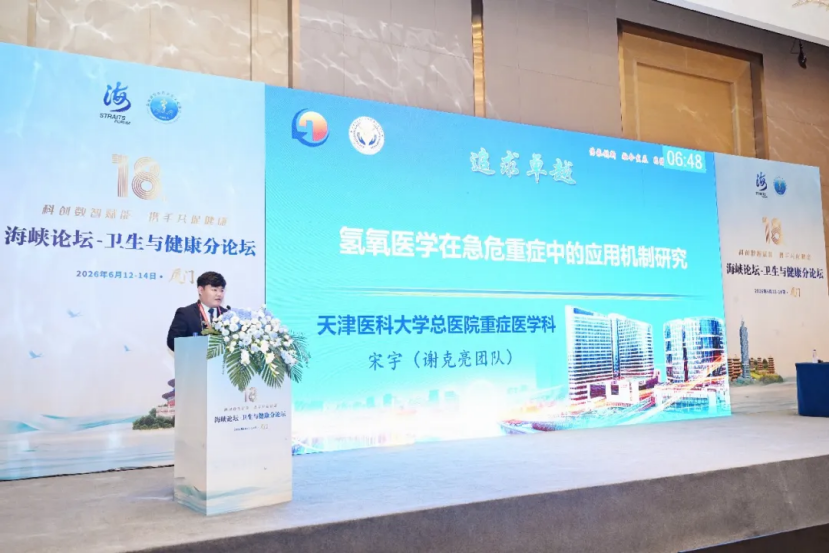
Presentation by Dr.Song Yu
Chief Physician Fu Xiaomin from Henan Cancer Hospital presented“Clinical Practice Exploration of Hydrogen‑Oxygen Inhalation for Improving Cancer‑Related Fatigue.”Focusing on cancer‑related fatigue(CRF),she systematically reviewed its inflammatory mechanisms,metabolic basis,and multi‑dimensional assessment systems.The report highlighted an ongoing prospective,multi‑center,randomized double‑blind trial led by her team,introducing hydrogen‑oxygen inhalation into non‑pharmacological CRF intervention research.This is expected to provide high‑level evidence for hydrogen‑oxygen medicine in oncology supportive care.
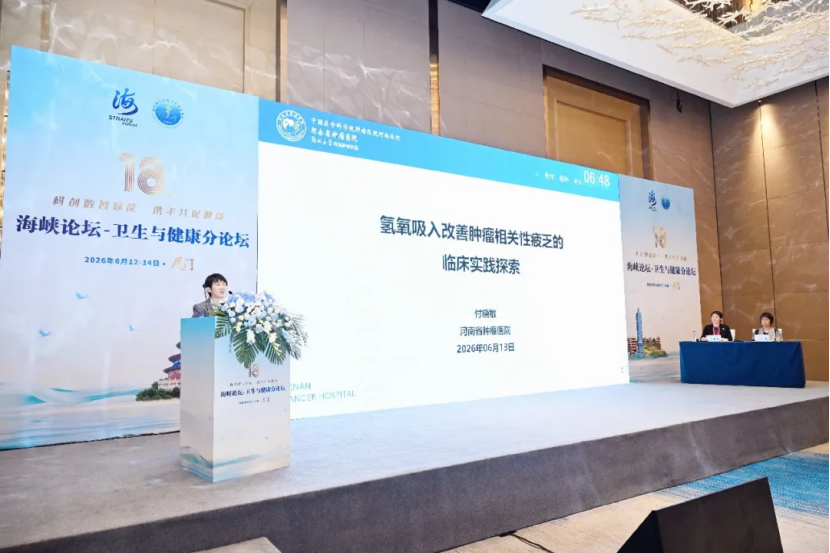
Presentation by Dr.Fu Xiaomin
ConclusionThe official release of the“General Specifications for the Clinical Application of Hydrogen-Oxygen Mixture Inhalation Therapy”marks a significant milestone in the development of hydrogen-oxygen medicine.
It signals the formal entry of the field into a new era of standardization,evidence-based development,and structured clinical translation.
END

