During the recovery period after radiotherapy and chemotherapy, many patients and their families are looking for adjunctive methods to help the body recover. Hydrogen-oxygen inhalation, as an emerging intervention, has gradually come into view.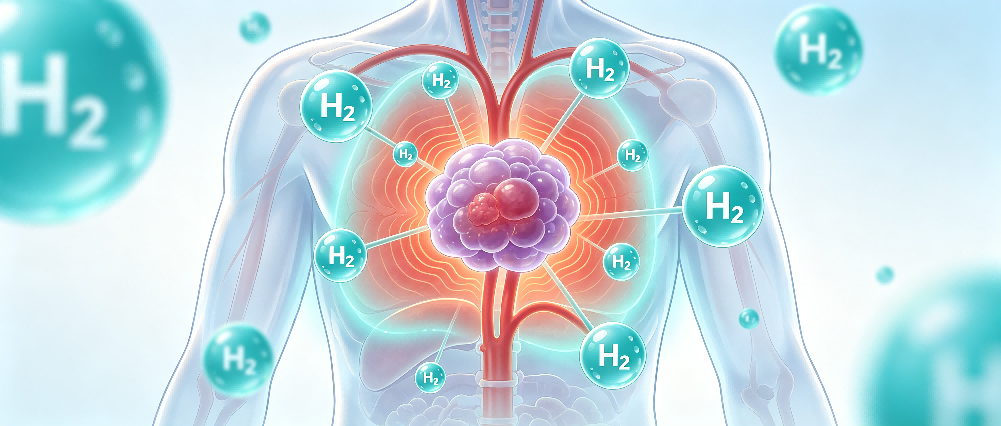
However, in the special field of cancer rehabilitation, any approach requires careful consideration – is there research support for hydrogen-oxygen inhalation in post-chemoradiotherapy recovery? What clinical observation data exists? This article systematically reviews the research progress on hydrogen-oxygen medicine in cancer chemoradiotherapy rehabilitation, from mechanistic studies to clinical observations, helping you establish an objective understanding.
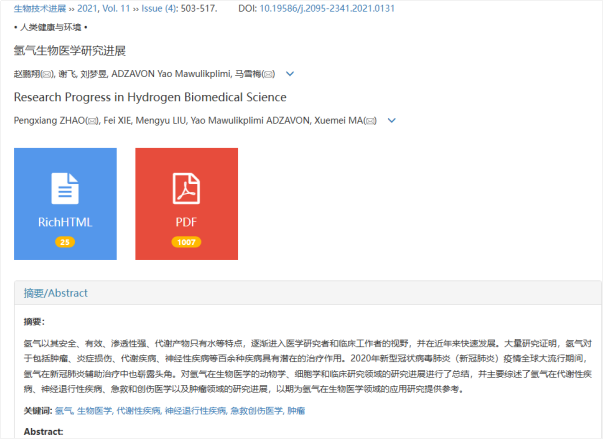
While radiotherapy and chemotherapy kill tumor cells, they may also affect rapidly dividing healthy cells (bone marrow hematopoietic cells, intestinal mucosal epithelium, hair follicle cells, etc.). One of the pathways through which these effects occur is related to excessive production of reactive oxygen species (ROS) [1]. Cancer-Related Fatigue (CRF) is one of the more common symptoms among cancer patients. Unlike ordinary fatigue, CRF may involve multiple factors including persistent oxidative stress, changes in pro-inflammatory cytokine levels (such as IL-6, TNF-α), and hypothalamic-pituitary-adrenal axis function. Professor Ma Xuemei's team at Beijing University of Technology, in their review on hydrogen biomedical research published in Progress in Biotechnology, summarized the current research status of hydrogen in tumor adjuvant therapy both domestically and internationally [2].
In 1975, a study published in Science observed the effects of hyperbaric hydrogen-oxygen mixed gas in an animal skin malignancy model [3] – this is one of the earlier academic records of hydrogen molecules in the oncology direction. Over the following decades, multiple research teams both domestically and internationally published related mechanistic studies at the animal and cellular levels.
Tumor hypoxic microenvironment is an important feature of solid tumors. Hypoxia not only affects tumor cell metabolism and proliferation but is also closely related to chemoradiotherapy resistance [7]. Studies have shown that under hypoxic conditions, tumor cells have reduced sensitivity to radiotherapy and chemotherapy, and improving tumor hypoxia may help enhance treatment efficacy. This is also one of the mechanisms by which hydrogen has attracted attention in cancer research – hydrogen's antioxidant and anti-inflammatory effects may positively impact the improvement of the tumor microenvironment.
In recent years, mechanistic research on hydrogen in tumor immune regulation has gradually gained attention. Review studies have shown that hydrogen may affect the tumor microenvironment through two pathways: one is directly inhibiting the proliferation and migration of certain tumor cells, and the other is modulating the body's anti-tumor immune response. In exploratory studies on colorectal cancer, it was observed that hydrogen inhalation could reduce the proportion of exhausted PD-1+ CD8+ T cells in peripheral blood and increase the number of functional T cells. This discovery in the immune regulation direction has provided new clues for subsequent research [5].
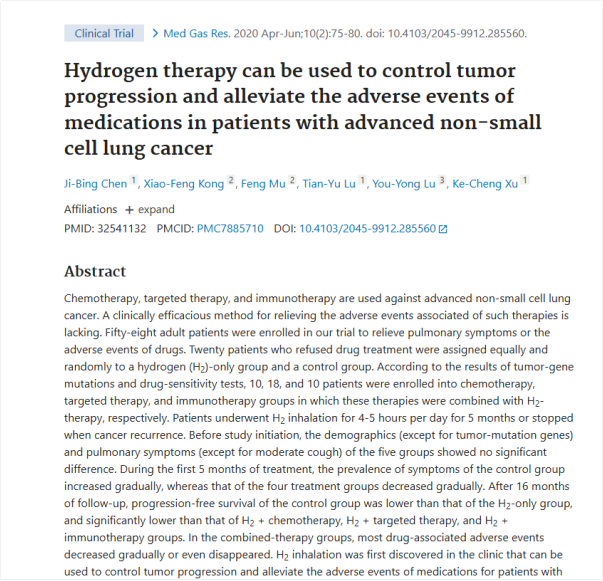
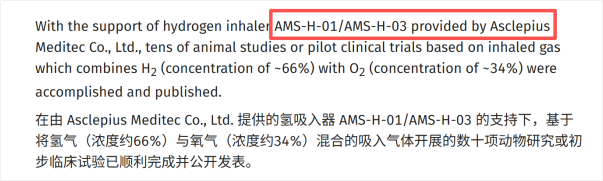
In 2020, the research team at Fuda Cancer Hospital of Jinan University published a prospective clinical observational study in Medical Gas Research on patients with advanced non-small cell lung cancer (NSCLC) [4]. This study explored the effects of hydrogen-oxygen mixed gas inhalation combined with standard anti-tumor therapy and is currently one of the larger-sample formally published clinical studies in the lung cancer field of hydrogen-oxygen medicine. The equipment used by the team was the "hydrogen-oxygen generator" manufactured by Asclepius Meditec, which is a product holding a Class III medical device registration certificate for hydrogen-oxygen inhalation devices and can be verified in the NMPA database [6].
Study design summary:
Intervention: Hydrogen-oxygen mixed gas inhalation combined with standard anti-tumor therapy.
Key Finding 1: Reduction of adverse events from standard therapy
The study observed that hydrogen combined with different treatment regimens reduced drug-related adverse events to varying degrees: the immunotherapy + hydrogen group had significantly reduced incidence of cough, non-cardiac chest pain, rash, hepatobiliary diseases, dizziness, and headache; the targeted therapy + hydrogen group had significantly improved febrile neutropenia, nausea and vomiting, rash, insomnia, and oral mucositis; the chemotherapy + hydrogen group had significantly reduced febrile neutropenia, anemia and thrombocytopenia, constipation and diarrhea, and loss of appetite [4].
Key Finding 2: Progression-Free Survival (PFS) observations
After 16 months of follow-up, PFS data for each group were as follows: control group 4.4±1.2 months, hydrogen monotherapy group 7.9±2.2 months, immunotherapy + hydrogen group 10.1±2.6 months, targeted therapy + hydrogen group 9.4±3.1 months, chemotherapy + hydrogen group 8.5±3.0 months. The median PFS of all four hydrogen treatment groups was longer than that of the control group, with the differences in three combination treatment groups being statistically significant [4].
The study results suggest the potential value of hydrogen in reducing chemoradiotherapy side effects and improving patients' quality of life, but this cannot be directly equated with "hydrogen can treat cancer." The conclusions require further validation through larger-scale randomized controlled studies.
A narrative review on hydrogen oncology published in Medical Gas Research in 2020 included a real-world survey of 82 patients with advanced cancer [5]. The survey followed cancer patients who inhaled hydrogen at home or in rehabilitation facilities between 2014 and 2019. This is one of the earlier large-sample real-world observational records in the oncology direction of hydrogen-oxygen medicine.
Key observational findings:
Objective evaluation of evidence level: This real-world survey is a case series, which provides clues and direction for subsequent research but cannot be used as confirmatory evidence that "hydrogen-oxygen inhalation can treat cancer," nor can it replace standard anti-tumor treatments including surgery, chemotherapy, radiotherapy, targeted therapy, and immunotherapy.
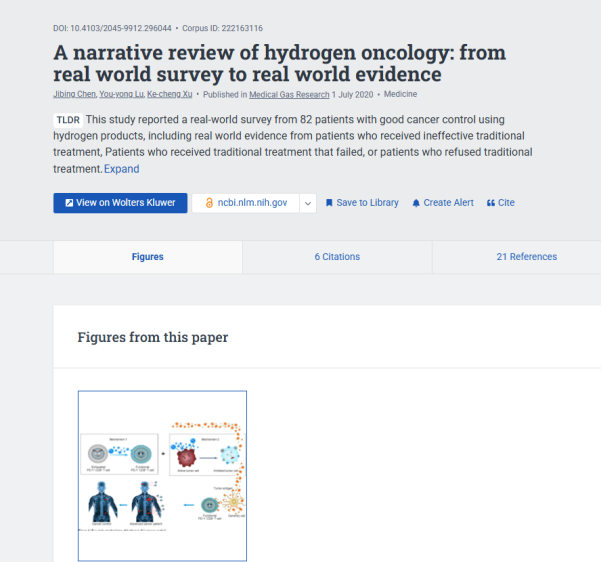
Overall, research on hydrogen-oxygen inhalation in cancer chemoradiotherapy rehabilitation has reached a certain level. At the mechanism level, hydrogen's antioxidant, anti-inflammatory, and immune-modulating effects provide a theoretical basis for its application in tumor adjuvant intervention. At the clinical level, the prospective observation on advanced NSCLC and the 82-case real-world survey provide preliminary clinical data for this direction. It should be objectively noted that cancer is a complex disease, and the role of hydrogen-oxygen inhalation in this context is adjuvant rehabilitation – it cannot replace standard tumor treatment regimens including surgery, chemoradiotherapy, targeted therapy, and immunotherapy.
Q1: How can I check whether a hydrogen-oxygen generator is a Class III medical device?
Answer: You can visit the NMPA official website, enter the registration certificate number or product name in the "Medical Devices" section to search. Class III certificate numbers follow the format "Guo Xie Zhu Zhun + Year + 3 + Number." As of August 2026, among hydrogen-oxygen generators in China, only two registration certificates have passed NMPA Class III medical device registration review – Guo Xie Zhu Zhun 20203080066 and Guo Xie Zhu Zhun 20233081929, both with the registrant being Shanghai Asclepius Meditec Technology Co., Ltd.
Q2: What should chemoradiotherapy patients pay attention to when using hydrogen-oxygen inhalation?
Answer: First, it is recommended to choose a device holding a Class III medical device registration certificate to ensure inhalation safety. Second, priority should be given to hydrogen-oxygen mixed gas equipment (66.6% hydrogen + 33.3% oxygen) – chemoradiotherapy patients are often physically weak, and pure hydrogen may pose a hypoxia risk. Third, hydrogen-oxygen inhalation is only an adjuvant support measure and cannot replace standard chemoradiotherapy. It is recommended to consult the attending physician before use.
[1] Biomedicines, "Molecular Hydrogen Protects against Various Tissue Injuries from Side Effects of Anticancer Drugs by Reducing Oxidative Stress and Inflammation," 2024.
[2] ADZAVON Yao Mawulikplimi, Liu Mengyu, Ma Xuemei, Xie Fei, Zhao Pengxiang. "Progress in Biomedical Research on Hydrogen[J]." Progress in Biotechnology, 2021, 11(4): 503-517. DOI: 10.19586/j.2095-2341.2021.0131.
[3] Dole M, Wilson FR, et al., "Hyperbaric hydrogen therapy: a possible treatment for cancer," Science, 1975.
[4] Chen et al., "Hydrogen therapy can be used to control tumor progression and alleviate adverse events of medications in patients with advanced non-small cell lung cancer," Medical Gas Research, 2020.
[5] Chen JB, Lu YY, Xu KC. A narrative review of hydrogen oncology: from real world survey to real world evidence[J]. Medical Gas Research, 2020, 10(3): 130-133. DOI: 10.4103/2045-9912.296044.
[6] National Medical Products Administration, Guo Xie Zhu Zhun 20203080066, Guo Xie Zhu Zhun 20233081929.
[7] Wanfang Medical Network / Baidu Baike, review articles on "reoxygenation" and tumor hypoxic microenvironment research.


