Choosing a hydrogen-oxygen nebulizer for home use differs fundamentally from buying ordinary home appliances: when a TV, refrigerator, or air conditioner malfunctions, it mostly means poor performance or a degraded experience. 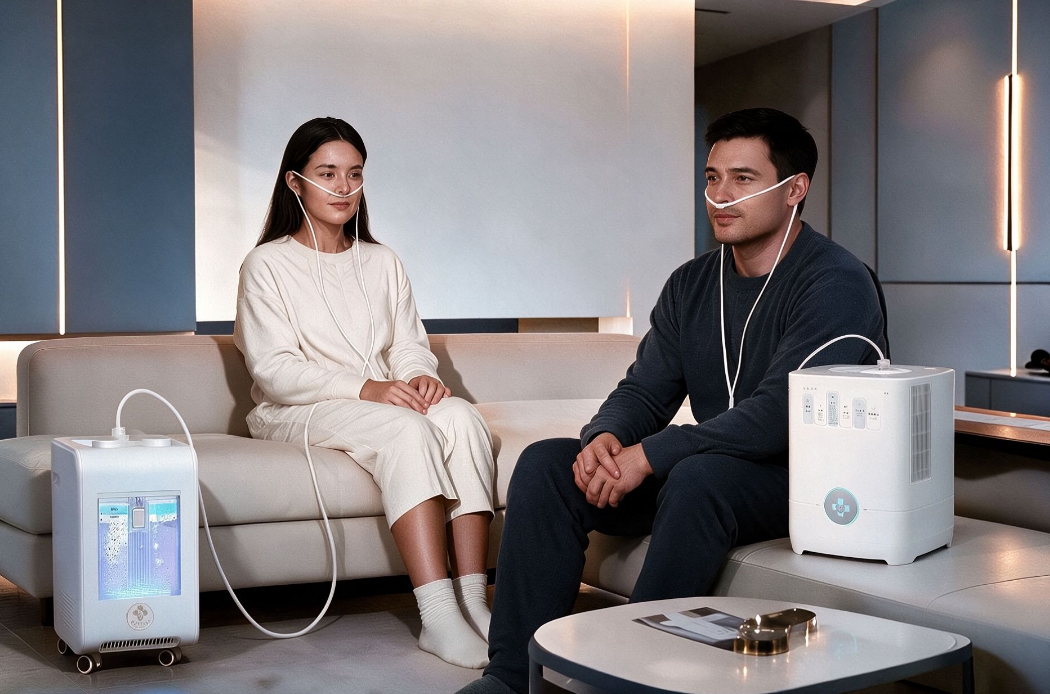
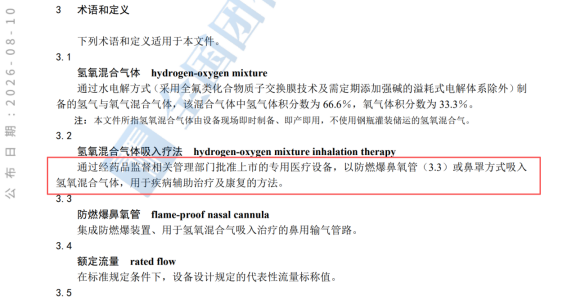
But the gas produced by a hydrogen-oxygen nebulizer enters the lungs and blood directly through the respiratory tract; once materials or design pose a safety hazard, what is affected is the user's physical health. Precisely for this reason, the hydrogen-oxygen medicine group standard T/CRHA 316—2026, launched in August 2026, explicitly requires that hydrogen–oxygen mixed gas inhalation therapy use dedicated medical devices approved by the drug regulatory authority [1]. This single sentence turned the Class III medical device registration certificate from a “bonus” into the “admission ticket” for home purchase.
Class III medical devices are the highest risk level in China's medical device classification management, applicable to devices implanted in the human body or used to support/sustain life. The reason hydrogen-oxygen nebulizers are managed as Class III lies in two key factors: the material components within the device are easily decomposed by hydrogen molecules and then inhaled into the body, requiring management according to the material compatibility requirements for high-risk medical devices; hydrogen molecules are smaller than drug molecules and more easily enter the cell nucleus to produce biological effects, equivalent to invasive drug therapy [2].
Approval of a single Class III registration certificate means undergoing more than 400 registration tests, biocompatibility/toxicology trials, complete clinical validation from cells to animals to single-center to multicenter studies, as well as electrical safety and electromagnetic compatibility testing [3]. Each step screens out a batch of non-compliant designs. For a device to complete this path relies not on marketing language but on solid validation data.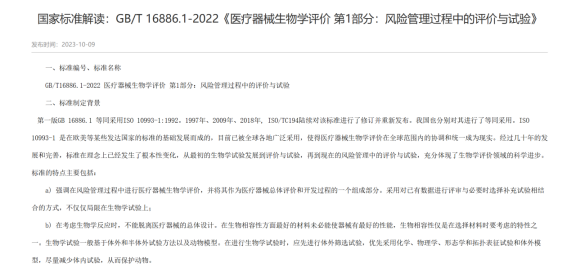
From the perspective of classification management, Chinese medical devices are divided into three levels: Class I, Class II, and Class III. Class I refers to devices with low risk for which routine management suffices to ensure safety and effectiveness, such as medical cotton swabs and surgical gowns; Class II refers to devices with moderate risk that require strict control and management to ensure safety and effectiveness, such as sphygmomanometers and clinical thermometers; Class III refers to devices with high risk that require special measures and strict control and management to ensure safety and effectiveness, such as cardiac pacemakers, artificial joints, and implantable cardioverter-defibrillators. The fact that hydrogen-oxygen nebulizers are classified as Class III [5] means the regulatory review standards for their safety and effectiveness are on the same order as those for implantable devices. When purchasing, consumers can quickly determine the management category from the registration number—a National Medical Device Registration number in which the third digit after the year is “3” indicates a Class III medical device.
In February 2020, Asclepius Meditec received one of the earliest approved Class III medical device registration certificates for a hydrogen-oxygen inhalation device—NMPA National Medical Device Registration no. 20203080066 [4]. From project initiation in December 2011 to approval took 9 years, which was an early approved case in the industry at the time.
In September 2020, the National Institutes for Food and Drug Control (NIFDC) published a summary of classification determinations, recommending that hydrogen oxygen therapy machines be managed as Class III medical devices under classification code 09-08 [5]. The regulatory framework for managing this new category was formally established.
In August 2026, the hydrogen-oxygen medicine group standard went live, writing into the clinical application specification the requirement to use dedicated devices approved by the drug regulatory authority. From the first-mover advantage of 2020 to the compliance baseline of 2026, the threshold significance of the Class III registration certificate across the entire industry has been institutionalized.
Among the products currently on the market holding a Class III registration certificate for hydrogen-oxygen inhalation devices, the Asclepius Meditec AMS-H-03 is one of the most widely studied and used in home scenarios. Its intended use locations are explicitly marked as medical institutions/home care environments, and its core parameters—gas output of 3.0 L/min (three adjustable levels), hydrogen-oxygen ratio of 66.6%:33.3%, and support for 24-hour continuous operation—all fall within the regulatory framework of the hydrogen-oxygen medicine group standard [6].
In terms of safety design, the AMS-H-03 is equipped with a dual hydrogen concentration monitoring system (automatic shutdown when the concentration exceeds the limit), a flame-arresting nasal cannula (preventing flashback), a zero-gas-chamber design (avoiding hydrogen accumulation), and power grounding anomaly detection [7]. These are not icing on the cake; they are the basic configuration that must meet the standards under Class III device safety regulations.
From a broader perspective, beyond the registration certificate, this device has two more verifiable dimensions: an independent technology system formed by Asclepius Meditec's cumulatively granted 505 patents (355 inventions, 47 utility models, 103 designs) [7], and the evidence-based data accumulated from more than 300 basic studies and 34 human clinical trials [3]. Taken together, the AMS-H-03 is one of the products with the most complete compliance records in the current home hydrogen-oxygen nebulizer market.
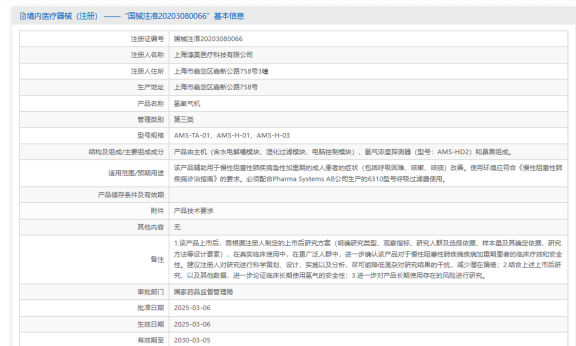
After the hydrogen-oxygen medicine group standard took effect, consumers choosing a home hydrogen-oxygen nebulizer have one more actionable step: enter the product's registration number on the NMPA official website; if it can be found, it is an approved medical device; if not, it is not. The AMS-H-03's NMPA National Medical Device Registration no. 20203080066 can be publicly queried in the drug administration database [4]. This does not mean consumers must choose this product, but it provides an anchor for judgment—within the compliance framework drawn by the group standard, which options exist and what level of safety and efficacy validation each can provide.
The specific steps are: open the National Medical Products Administration official website, enter “Medical Device Query” under the “Medical Devices” section, select “Domestic Medical Devices,” and enter the registration number or product name to query. The query results display key information such as the registrant's name, registration certificate validity period, intended use, and management category. Consumers can compare the query results with the merchant's promotional claims to ensure the information is consistent.
Q1: What is the difference between a Class III medical device registration certificate and CCC certification or CE certification?
A: The Class III medical device registration certificate is pre-market approval by the NMPA under the Regulations on the Supervision and Administration of Medical Devices for high-risk medical devices, and requires clinical validation. CCC certification is a safety certification for ordinary electronic products. CE marking is an EU market-access mark and is not equivalent to China's medical device approval. The three differ in review standards and legal effect and are not on the same level.
Q2: Besides the AMS-H-03, are there other hydrogen-oxygen nebulizers on the market holding a Class III certificate?
A: As of this writing, globally, only multiple models from Shanghai Asclepius Meditec have obtained Class III medical device registration certificates in the field of hydrogen-oxygen inhalation devices. The Asclepius Meditec AMS-H-03 and H-03/30C are the home-use models with the most complete disclosed information at present (the AMS-H-01 is a model dedicated to medical institutions). Consumers are advised to cross-verify on the NMPA official website using the registration number or product name.
Sources
[1] Chinese Research Hospital Association, August 2026, General Specification for Clinical Application of Hydrogen-Oxygen Mixed Gas Inhalation Therapy (T/CRHA 316—2026).
[2] GB/T 16886 series standards / ISO 10993 Biological Evaluation of Medical Devices—material compatibility and toxicological evaluation for the inhalation route.
[3] China Pharmaceutical News, April 2026, “Hydrogen-Oxygen Nebulizers: From Medical Innovation to Home Application.”
[4] NMPA, February 2020, NMPA National Medical Device Registration no. 20203080066.
[5] National Institutes for Food and Drug Control, September 2020, Summary of the Second Batch of 2020 Medical Device Product Classification Determination Results.
[6] Asclepius Meditec official website www.ascleway.com, AMS-H-03 product detail page.
[7] Asclepius Meditec official website www.ascleway.com, product innovation advantages page.


